The film
The brief
A look for a country with no reference.
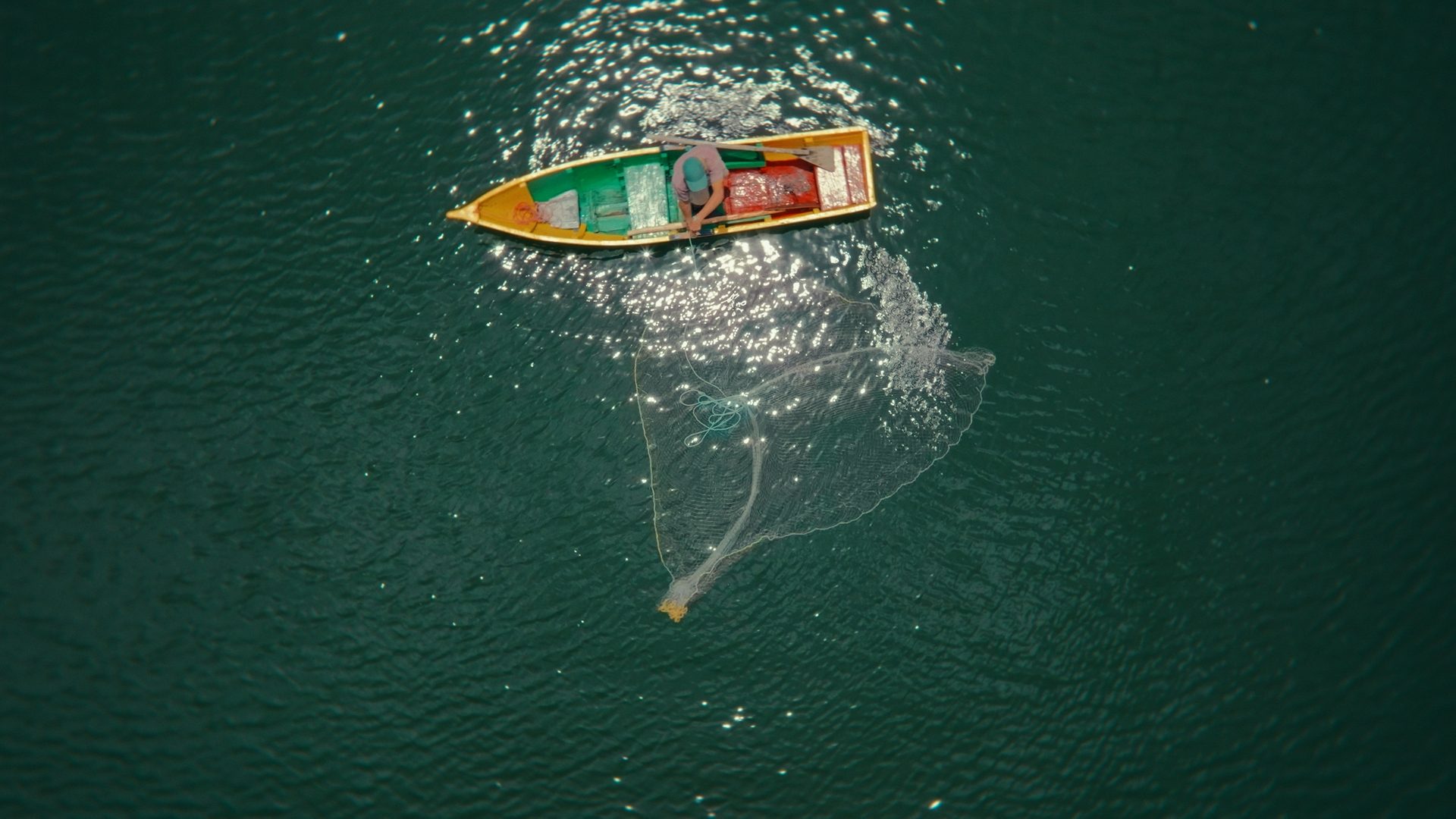
Alma Pinolera is Cerveza Toña's flagship campaign, produced every two years. Sixty seconds where a whole country sees itself on screen.
Nicaragua has no established look in film or advertising. There is no shorthand for it the way there is for Los Angeles or Paris. So the look was built from the light itself and from a wide set of references, each one solving one part of the problem. Tropical saturation, skin under warm sun, night scenes lit by practical neon.
The goal was to keep the light, not correct it. Hard sun, deep contrast, rich skin and vegetation, held as part of the story.
The challenge
Five camera systems, matched into one look.
70+ shots across daylight exteriors, night interiors, aerials, high speed and 360°. Every camera arrives with its own log curve, gamut and noise floor, and all of them have to read as one film.

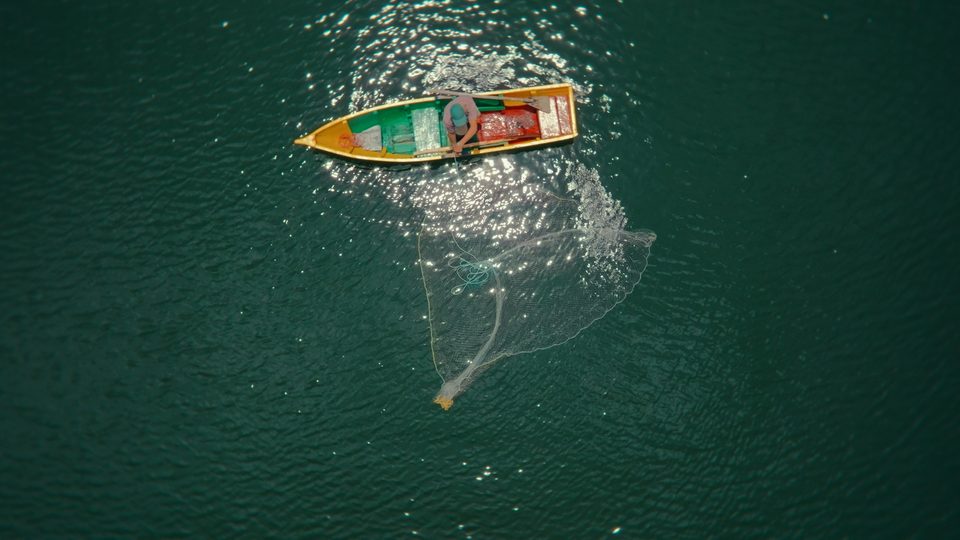
The approach
Six decisions that held the film together.
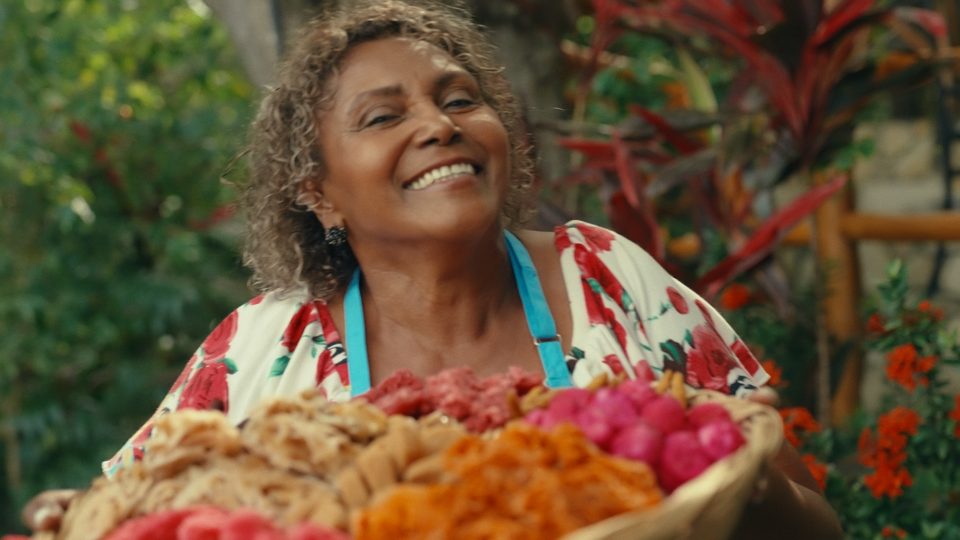
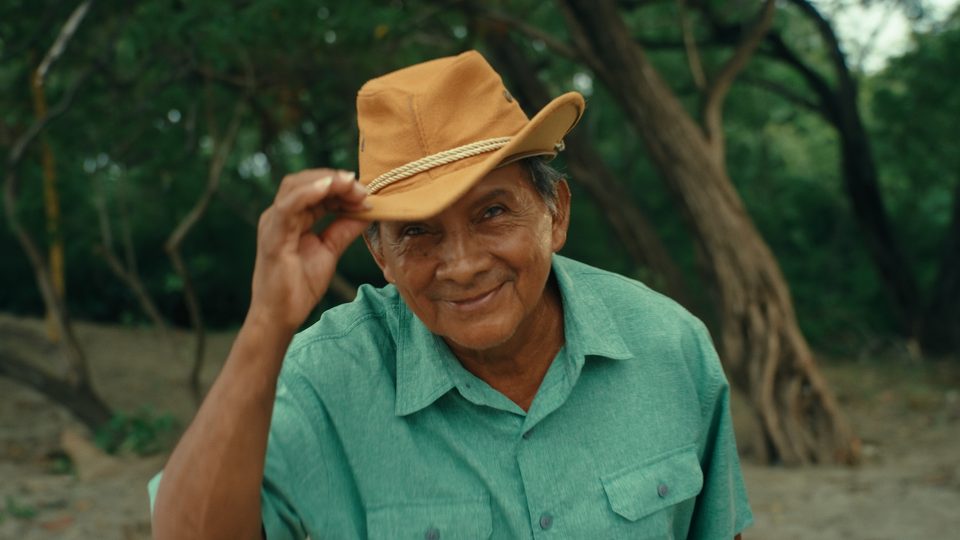
Skin
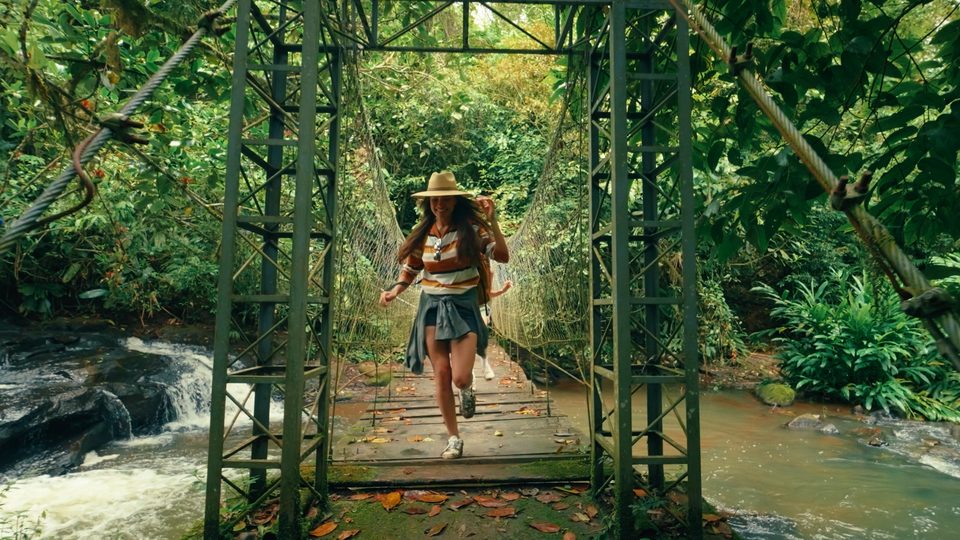
Honest, natural, dimensional. Never sanitized.
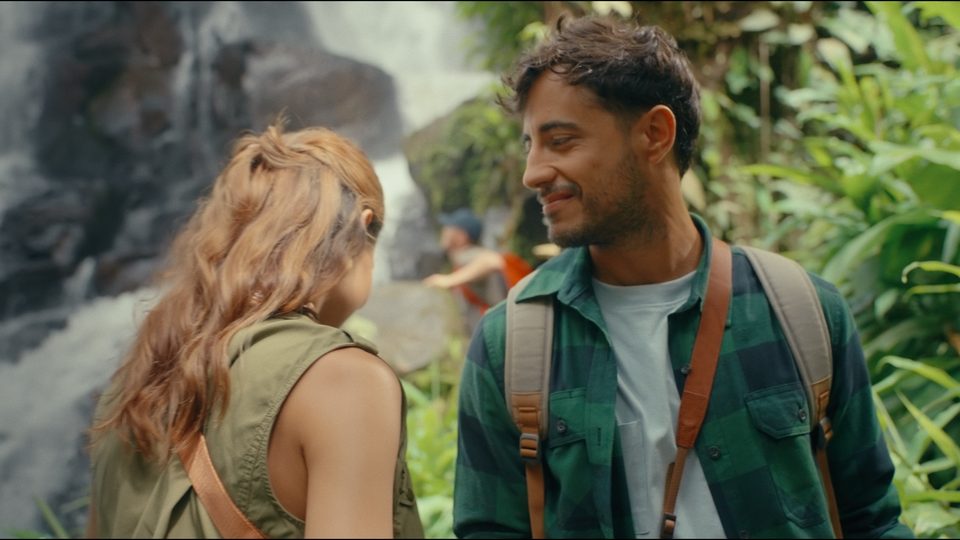
Light
Hard tropical sun. High contrast, strong direction.
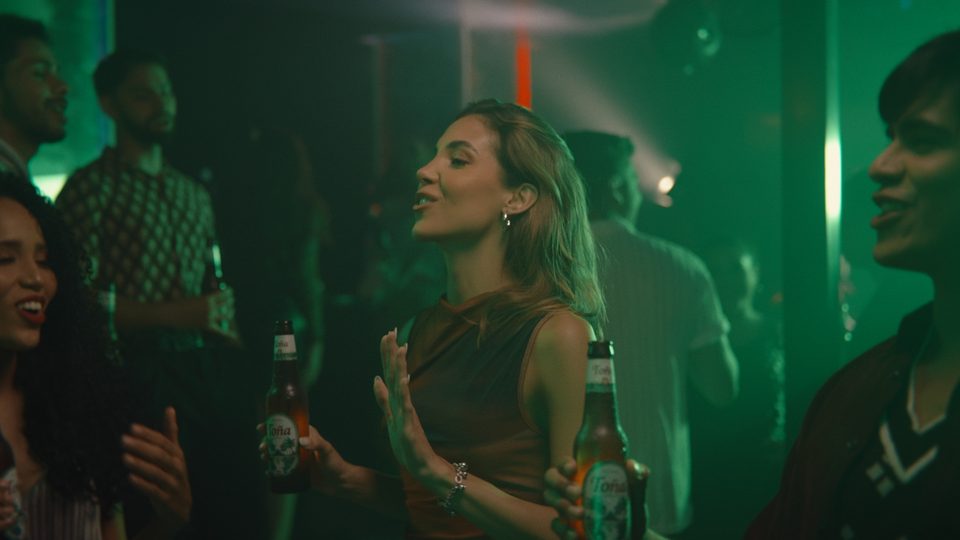
Day and night
Warm nights, cooler shadows, halation and diffusion for depth.
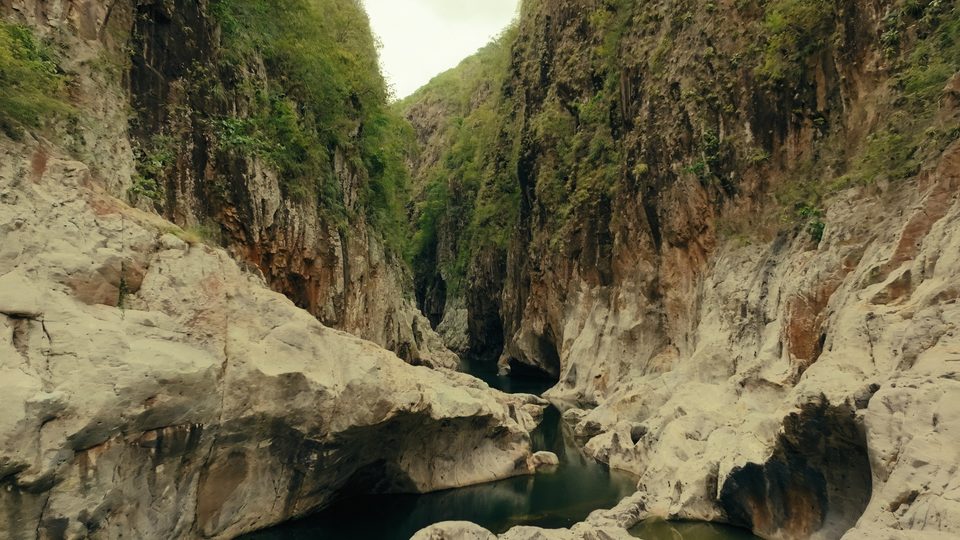
Nature
Tropical greens without synthetic saturation.
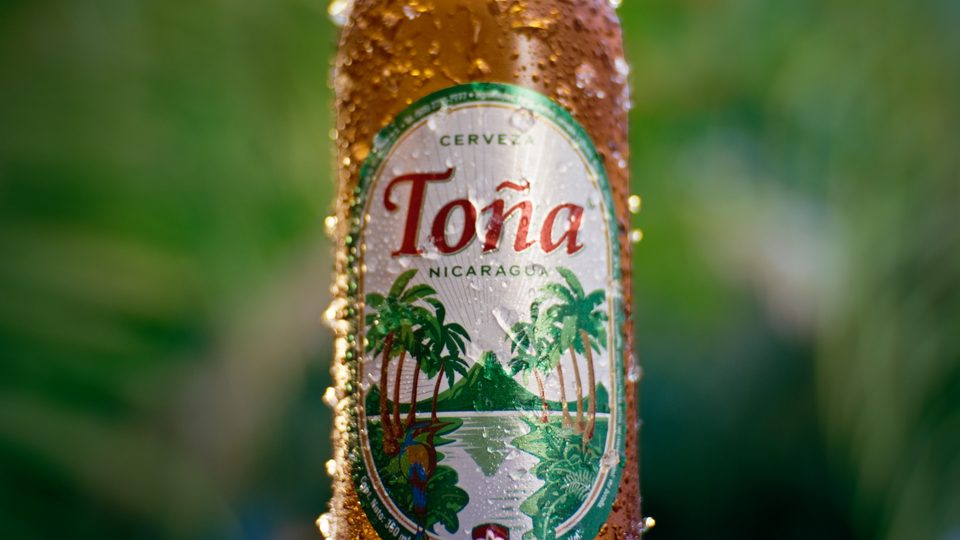
Brand
A parallel clean path keeps the product color accurate.
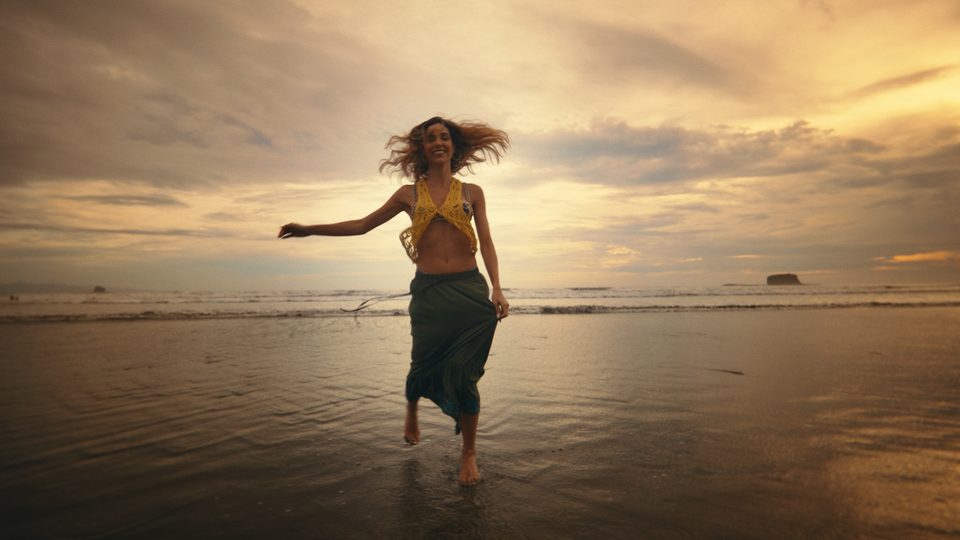
Atmosphere
Natural diffusion for bloom and texture.
Before and after
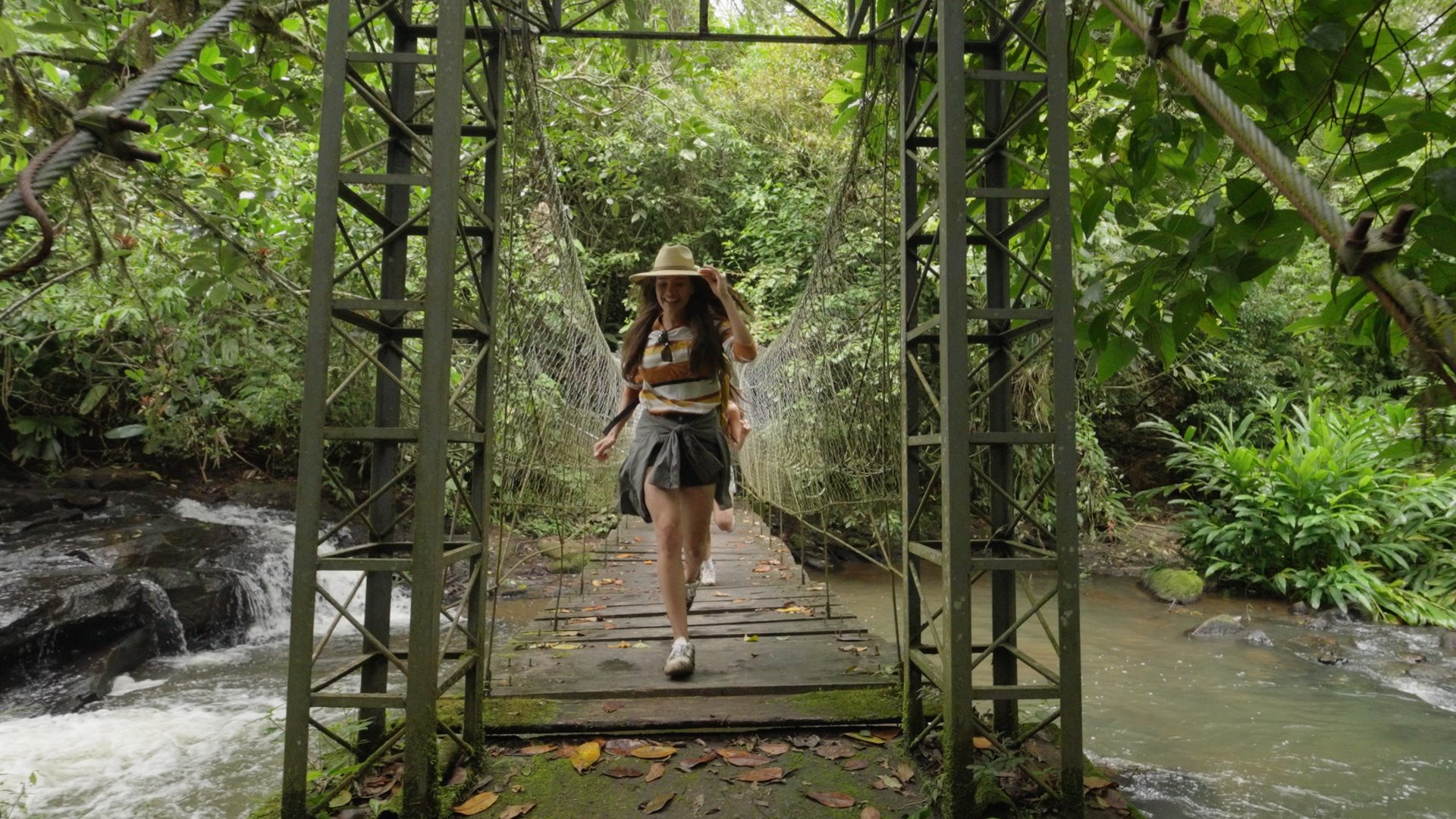
From camera to final grade.
Drag across the frame. Pick a shot below to compare the others.
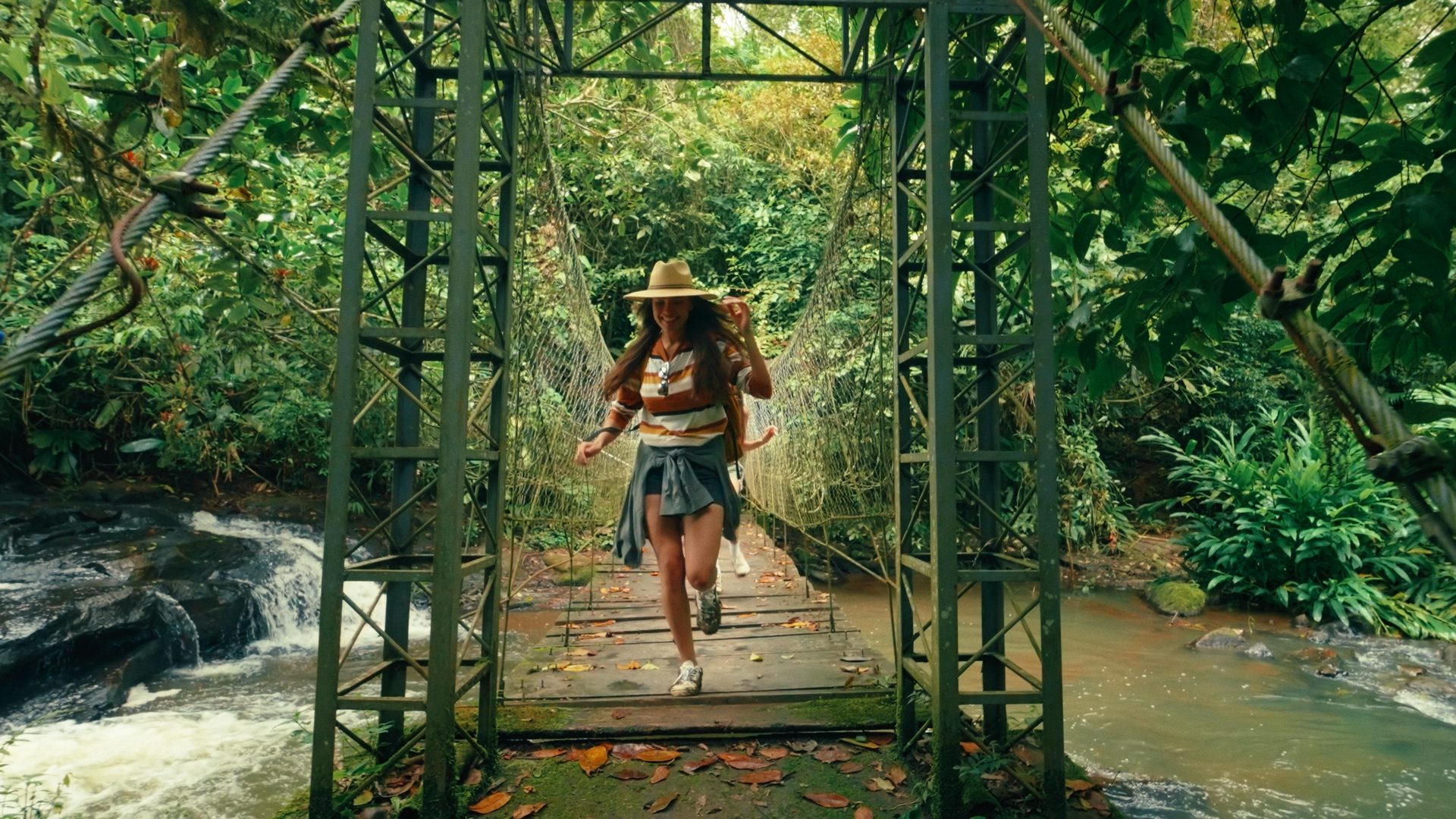
 Rec.709Final grade
Product integrity
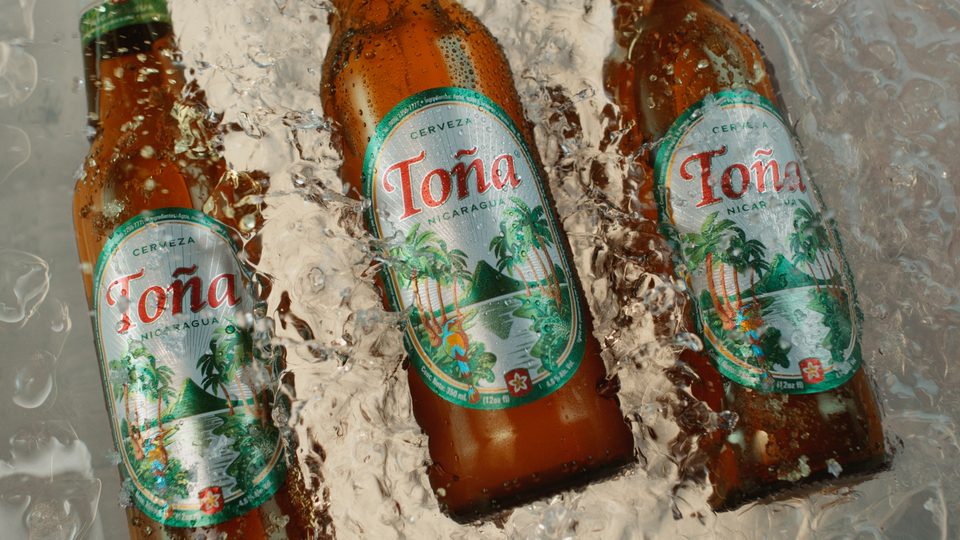
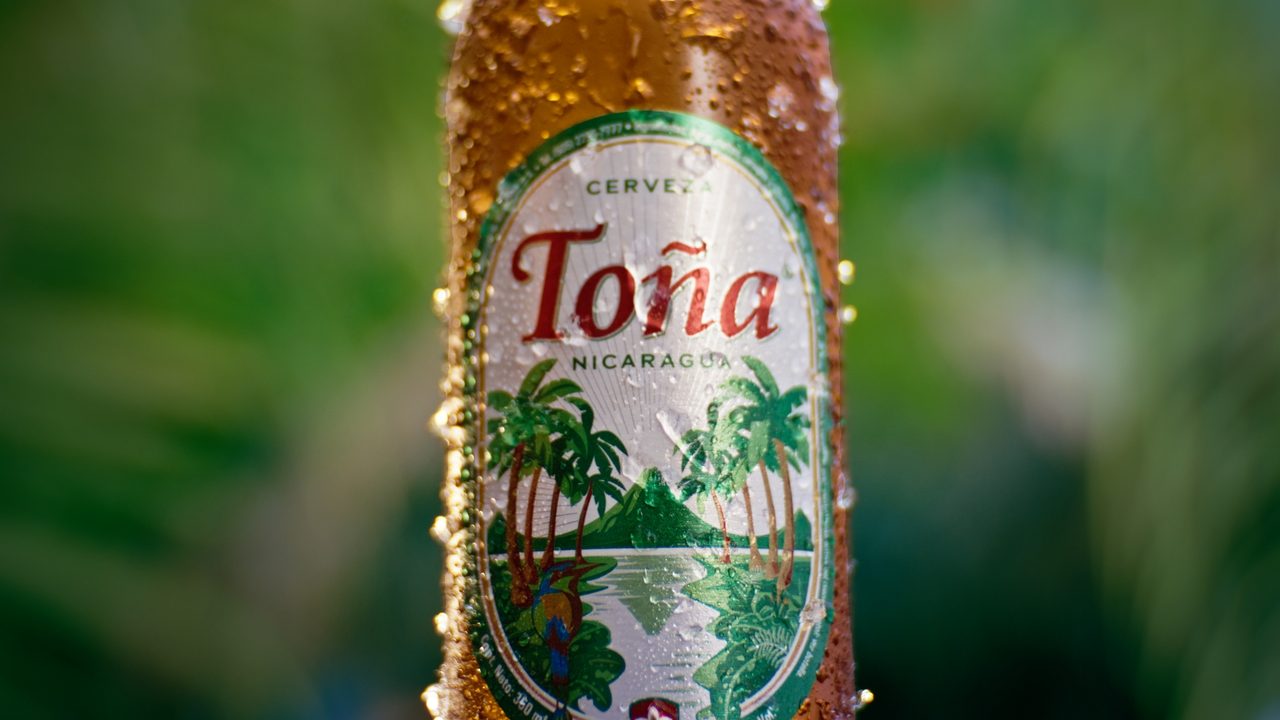
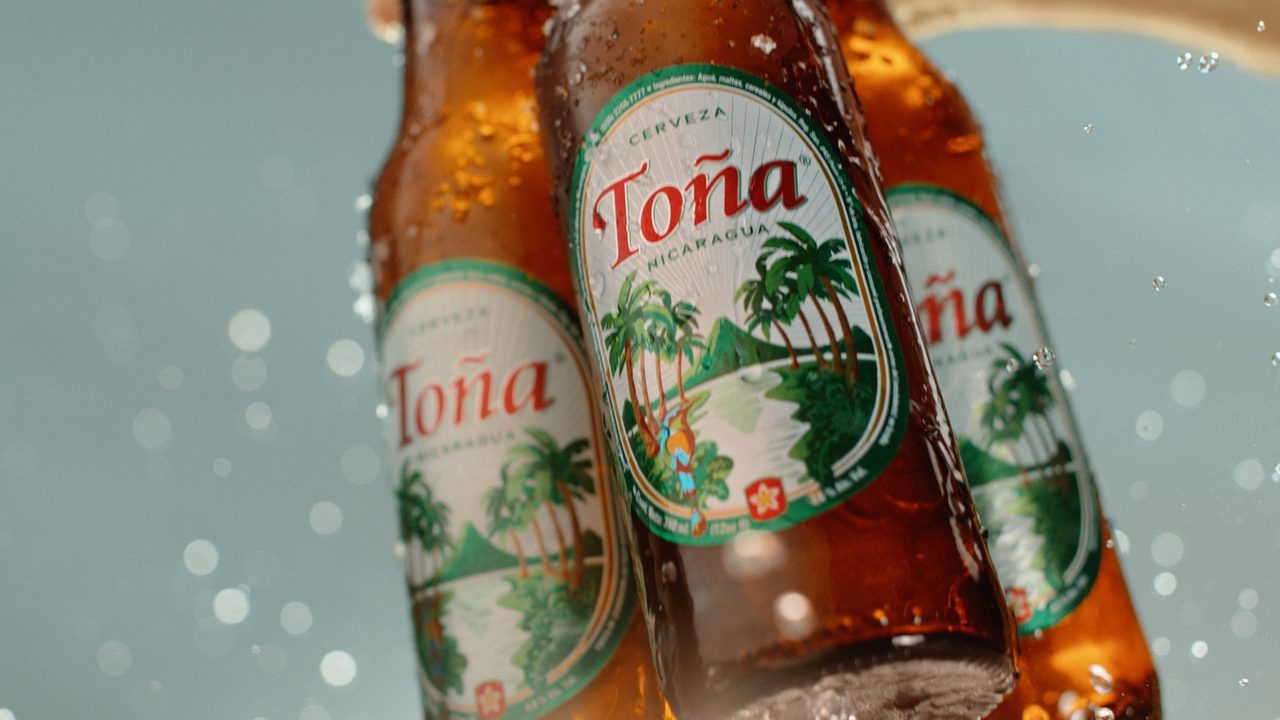
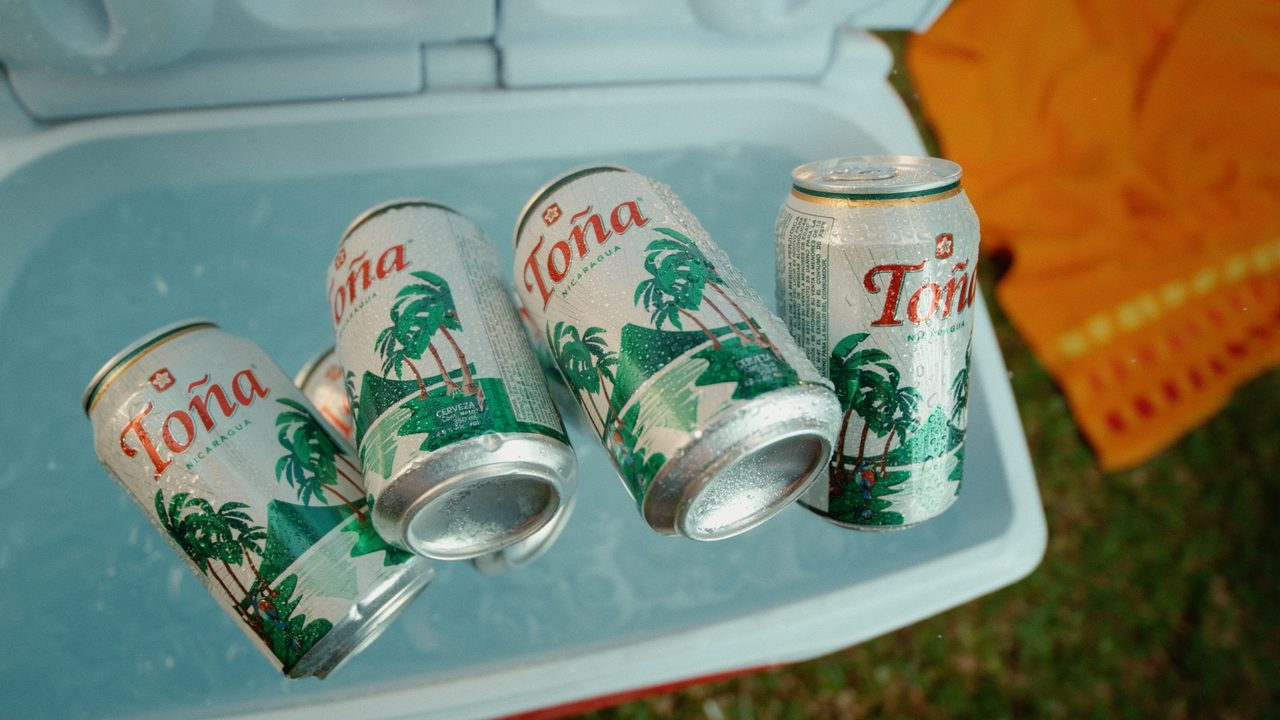
The bottle stays true.
Label and liquid run through a clean parallel path while the scene around them takes the full creative grade. The brand gets its look and its exact product color in the same shot.
Stress test
Checked before it touched a shot.
Before the show LUT went onto 70+ shots, it was pushed through a tonal ramp and a full-gamut sweep. The test shows where a look breaks, so nothing breaks later in a client session.
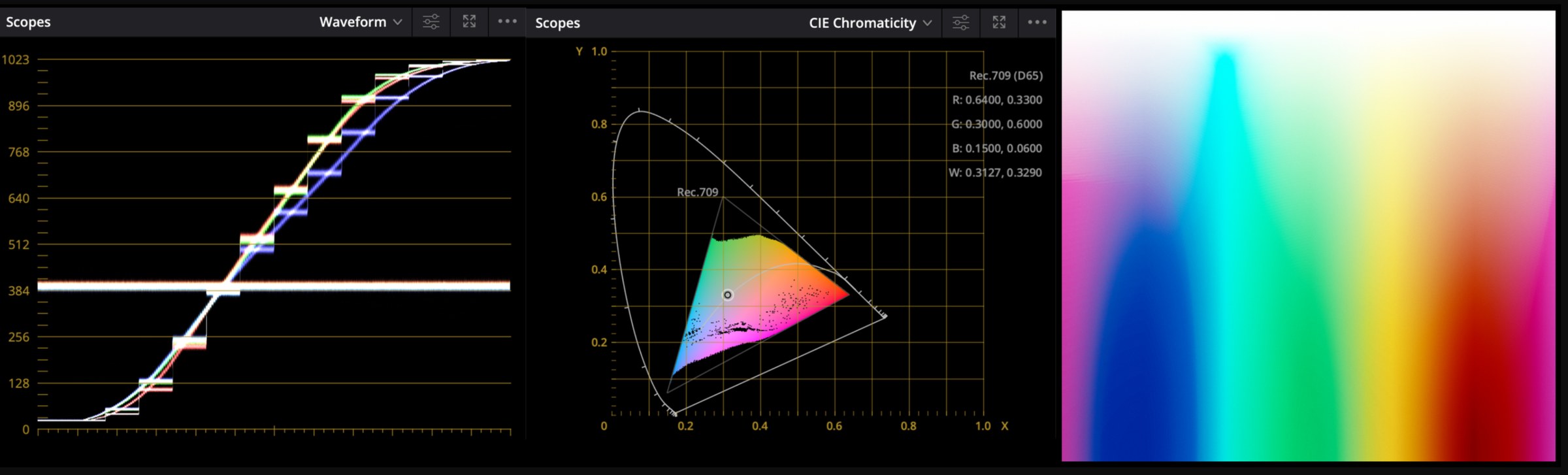
A stepped ramp through the show LUT. Smooth toe, soft highlight roll-off, and the blue channel held lower through the upper mids for the warm bias of the look.
The output stays inside the Rec.709 triangle, ready for delivery.
A full hue and luminance sweep through the transform, where any break or posterization would show.
For colorists
Pipeline in DaVinci Resolve
Node structure and look design
- Group pre-clipCamera normalization
Look Designer 3.1.0 as CST · camera native → JPLog2Per-channel gamut limiting · R 25.6 / G 71.3 / B 58.9Applied per camera group so all five systems enter the grade from the same place.
- Clip node treeDual path
Primary · NR → CDL → 6× Magic Mask → 2× free nodes → 6× Power Window → Trim → LayerSecondary · Source → Corrector → NR → CDL → 3× Window → LayerThe layer node blends both paths to isolate product.
- Group post-clipShow look
Path 1 · Look Designer 500T / 2383 / FPE → Der Farbtonmeister → LUTs → Saturation → GrainLabPath 2 · Clean feed → selective rescue masks → Layer - Show LUTFilm emulation
Negative · Kodak Vision3 500TPrint · Kodak Vision 2383 · FPE appliedDensity · Der FarbtonmeisterCST JPLog2 → REDLogFilm → 2× LUT → CST JPLog2 → Saturation → GrainLab
Need an extra room?
Commercial color grading, cutdowns and finishing in DaVinci Resolve. Remote sessions on CST hours, in English or Spanish, for when the calendar is full and the deadline isn't moving.
jm@jakobmartinezcolor.com